Art & Design
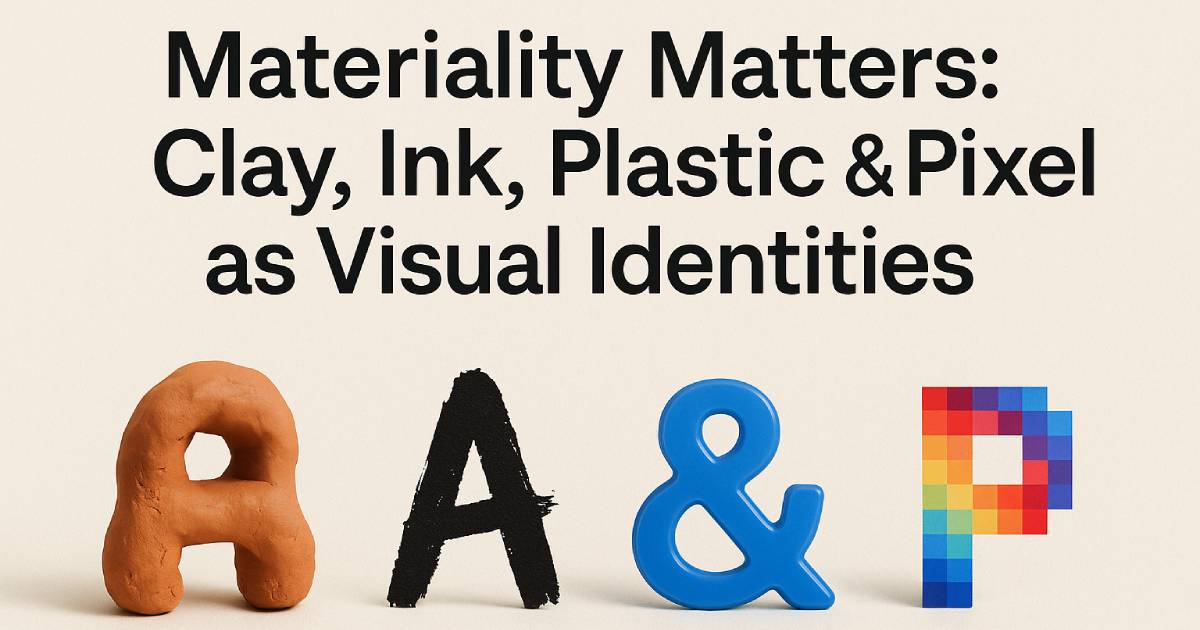
Materiality Matters: Clay, Ink, Plastic & Pixel as Visual Identities
December 15, 2025 / Orion's Gate Team
In 2025, the strongest Web3 game aesthetics aren't about higher fidelity-they're about material choices. See how clay, ink, plastic, and pixel become brand-defining identities across Clay Nation . The Sandbox, Pudgy World, Serum City, and Pixels-with concrete art-direction takeaways and references.
Why “materiality” is the new art direction superpower
Players don't just remember colors and logos-they remember how a world feels. In Web3, where IP travels across chains, storefronts, toys, and marketplaces, a clear material identity (clay, ink, toy plastic, pixel) makes characters instantly recognizable in any context. It also guides shader stacks, lighting, and UI framing so your game reads consistently in trailers, screenshots, and partner engines.
Below, four material languages that are winning in 2025-plus how to deploy each one in your art bible.
1) Clay: tactile worlds that keep their hand-made soul
What it is: Clay as the visual grammar-fingerprints, matte surfaces, soft-edge silhouettes, and slightly imperfect seams that telegraph “handcrafted.”
Who's doing it: Clay Nation . The Sandbox. As the first Cardano project to enter The Sandbox, Clay Nation brought its claymation look into a cross-chain experience called Sonic Sands, translating the brand's hand-made feel into a voxel engine without losing identity [1][2][3][4].
Why it works in Web3: Interoperability often “smooths” style; clay fights that flattening. By codifying imperfections-tool marks, soft speculars, low-frequency noise-you retain brand memory even when assets move between chains and formats.
Art-direction moves:
Clay shader recipe: Low specular + subsurface scatter hint + gentle curvature-keeps forms readable on mobile and in bright UIs.
Tactile typography & UI: Use rounded corners, off-white panels, and “pressed” button states so menus feel sculpted, not sterile.
Provenance stamps: Treat edition/season marks as embossed clay seals on props, visible in photo mode and marketplace thumbnails [1][3].
2) Plastic (Toyetic): “built to be held” characters that cross from shelf to screen
What it is: Soft, rounded forms with clear seams, injection-mold cues, and candy-coated palettes that scream collectible.
Who's doing it: Pudgy World by Pudgy Penguins-an open 3D world on zkSync Era, unveiled with a push that links physical toys to digital characters via scannable codes and simplified onboarding [5][6][7].
Why it works in Web3: “Toyetic” design is inherently merch-ready and cross-format (box art, social, store pages). It converts beautifully in UGC ecosystems where fans want to pose, photograph, and resurface assets.
Art-direction moves:
Finish taxonomy: Define gloss tiers (matte body, satin accessories, high-gloss eyes) and lock HDR reflections so renders always look “display-case fresh.”
Silhouette-first rigging: Chunky limbs, no fiddly negative space; poses read at thumbnail scale (marketplaces, social cards).
Phygital continuity: Align toy packaging palettes and in-engine LUTs to keep the same “shelf energy” in gameplay clips [5][7].
3) Ink (Comic/Noir): line-led worlds that read like graphic novels
What it is: Line weight, halftone, duotone riso vibes, flat inks with punchy accent colors-the illustration is the texture.
Who's doing it: Serum City (Faraway . Novel Labs) uses a comic-book-inspired aesthetic within the Yugaverse, pairing gritty lines and acid hues with city-builder UI. Coverage repeatedly flags the “illustrated” look as core to its identity and cross-game storytelling [8][9][10].
Why it works in Web3: Inked worlds survive compression (screenshots, streams) and keep brand coherence across lore drops, trailers, and marketplace art. They also let you emphasize provenance via stamped captions, gutters, and diegetic labels.
Art-direction moves:
Line system: Specify 3-4 line weights (contour, interior, hatching, UI dividers) and enforce anti-aliasing rules to avoid “mushy” edges on 4K and mobile.
Duotone palette ladder: One base hue + one accent + neutral ink; reserve neon tones for rarity and event items so economy reads at a glance.
Panel-aware UI: Modal windows mimic comic panels with gutters; tooltips behave like captions with tail pointers to objects [8][9].
4) Pixel: clarity and charm that scale to millions
What it is: Deliberately low-resolution, high-readability art-tight palettes, iconic silhouettes, and animation that sells emotion with a handful of frames.
Who's doing it: Pixels on Ronin has become the poster child: successive reports and updates show 1M+ players/DAU milestones, proving how cozy pixel aesthetics pair perfectly with social farming and creator-driven metas [11][12][13].
Why it works in Web3: The style is device-agnostic and screenshot-native. It thrives in UGC and economy-heavy loops where UI overlays need to sit on top of visuals without visual war.
Art-direction moves:
Palette economy: 16-32 swatches per biome, strict value ladders for day/night, and shape-coded rarity frames around items so markets remain readable.
Sub-pixel motion: Micro-ease on walk cycles and harvesting to avoid “teleporting” sprites at 60fps.
UI harmony: Crisp bitmap type or vector UI with 1px borders; avoid middle-gray mush between tiles and overlays [11][12].
Putting it together: a material-first art bible (checklist)
Pick one primary material (clay, ink, plastic, pixel) and one supporting accent (e.g., ink captions inside a toyetic world).
Define shader/finish recipes per material (S, M, L gloss; subsurface hints; halftone screens).
Lock a lighting kit (key/fill/rim ratios) that preserves the material look in gameplay, photo mode, and trailers.
Create diegetic provenance elements-seals for clay, serial plates for plastic, captions for ink, frame chips for pixel.
Write thumbnail tests: can a character's material read in a 120.120 image on a marketplace?
Align merch and UI: packaging swatches = HUD swatches; photo mode LUTs match store banners.
Stress-test interoperability: render the same asset in your partner engine (or L2) and tune until the material reads the same [1][2][5][11].
Quick art briefs you can ship with your own projects
Clay: Add fingerprint normal maps and slightly asymmetric silhouettes to hero characters; emboss season badges on backpacks [1][3].
Plastic: Author three gloss presets and bake environment cards that mimic retail lightboxes for evergreen, toy-photography-ready renders [5][7].
Ink: Convert system dialogs to panel-style boxes with caption tails; swap gradients for halftone ramps at 45° screen angles [8][9].
Pixel: Reduce HUD to 2 weights + 1 accent color; add shape-coded rarity borders and publish a 24-color master palette to creators [11][12][13].
Bottom line
In a cross-chain, cross-format world, material is the memory hook. Clay, ink, plastic, and pixel aren't just styles; they're portable identities that survive engine swaps, stream compression, and retail shelves. Pick one, codify it ruthlessly, and your world will be recognizable from a single frame.
References
The Sandbox — “Clay Nation Is Entering The Sandbox with Cross-Chain Interoperability & Sonic Sands.” The Sandbox
NFT Evening — “Clay Nation the first Cardano-based project to join The Sandbox.” NFT Evening
PlayToEarn — “Clay Nation sets sail into The Sandbox with the Sonic Sands experience.” PlayToEarn
Smobler — “Saving ClayBox: The Sonic Sands Adventure” (cross-chain experience details). smobler.io
GAM3S.GG — “Pudgy Penguins Introduces Pudgy World Alpha.” GAM3S.GG
The Block — “Pudgy Penguins announces ‘Pudgy World’ Web3 game on zkSync Era.” stage.theblock.co
NFTMetria — “Pudgy World aims to democratize access; toys with QR codes map to digital characters.” nftmetria.com
GAM3S.GG — “Serum City revealed: comic-book-inspired aesthetic.” GAM3S.GG
Observers — “Serum City set in the Yugaverse with illustrated style and cross-game utility.” Experts in Web3 and Digital Assets
Yahoo Finance — “Mutant Apes lead Serum City” (city-builder context). Yahoo Finance
The Block — “Pixels hits 1M daily active users on Ronin; social farming format.” The Block
NFT Plazas — “Pixels/Ronin growth: DAUs above 1.1M.” NFT Plazas