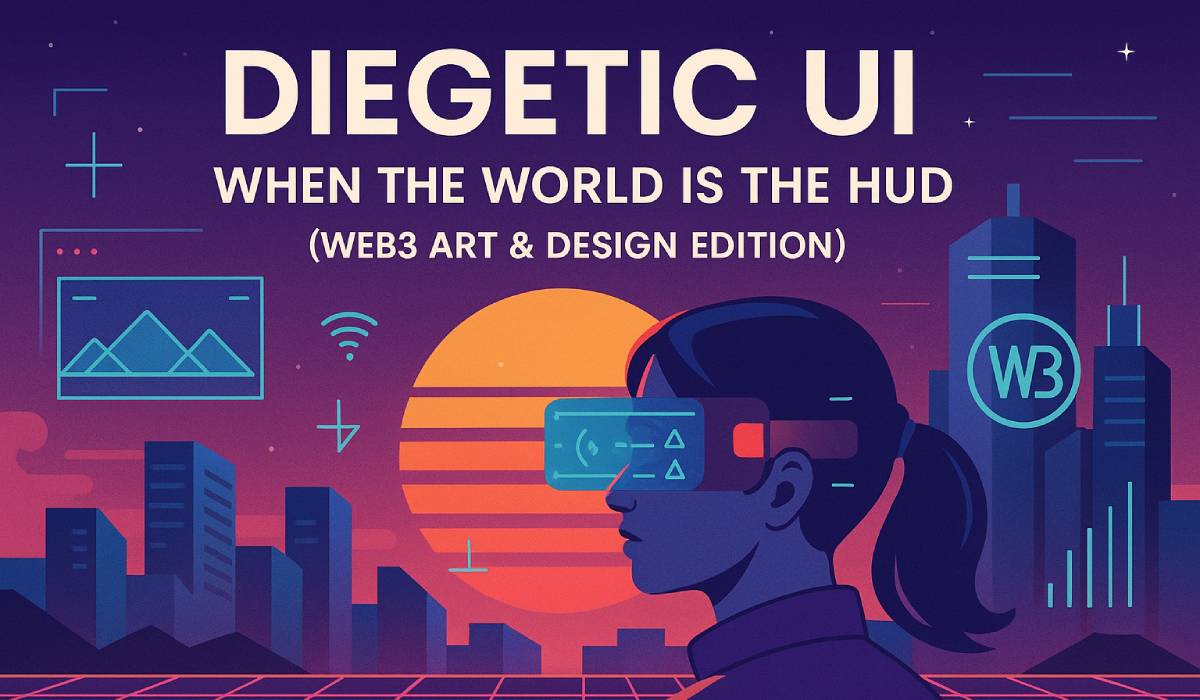
Learn how diegetic UI-interfaces embedded inside the game world-can elevate the art direction of Web3 games. See patterns, visual examples, and a practical checklist for turning on-chain identity and object-owned inventories into beautiful, in-world graphics.
Explore the newest art and design trends in Web3 games-from claymation-inspired worlds and toy-to-game universes to anime transmedia pipelines, schematic on‑chain minimalism, cinematic sci‑fi card art, and UGC‑first cosmetics. Examples include Clay Nation x The Sandbox, Pudgy World, Kaidro, Primodium, Pixels, Parallel, Wildcard, Serum City, and more.
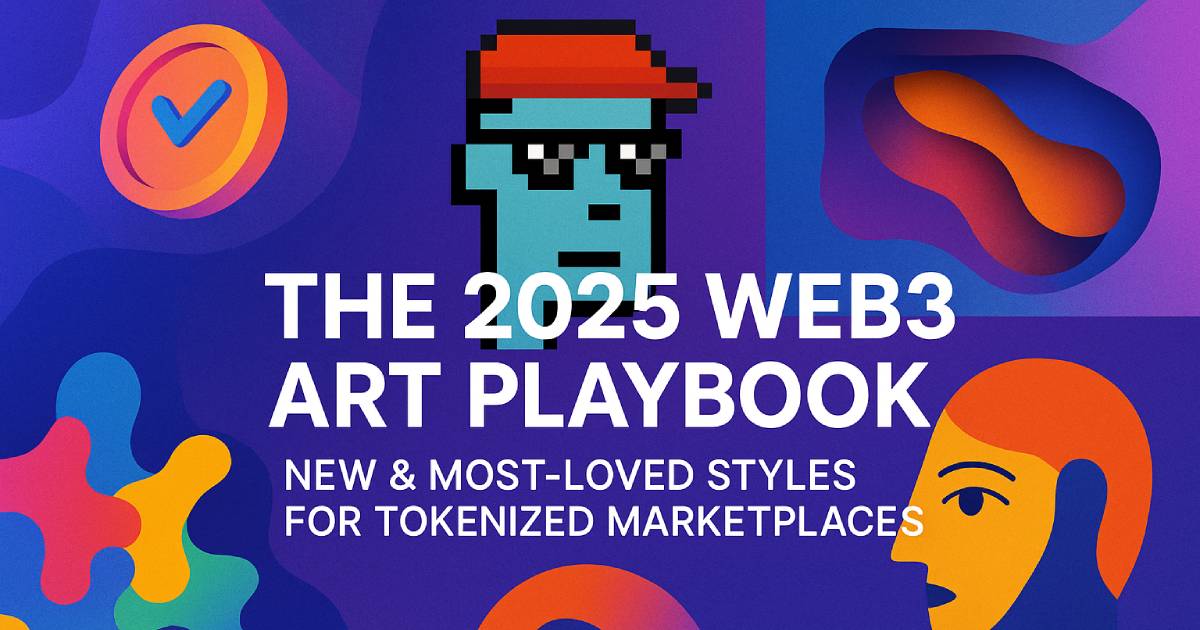
In Web3 game worlds where every skin, tile, and trinket can be minted and traded, art style isn't just a creative choice-it's an economic lever. The way assets look at thumbnail size affects click-through on listings; the way they're built (vector vs. raster, poly count, palette) changes storage, gas, and scalability; and the way they resonate emotionally shapes player demand. Below is a fresh, SEO-friendly guide to the newest and most desired art styles we see thriving in tokenized ecosystems-and why players (and marketplaces) love them. We connect each style to standards and practices that underpin on-chain ownership and creator royalties.
Web3 gamers no longer log in just for “play-to-earn”; they log in because the worlds look irresistible. Over the last 18 months, studios building on-chain economies have embraced a handful of eye-catching styles-each chosen for specific reasons such as nostalgia, performance, gas efficiency, or pure marketplace flair. Below we break down the newest, most-loved aesthetics, why players crave them, and how each style supercharges a tokenized marketplace.
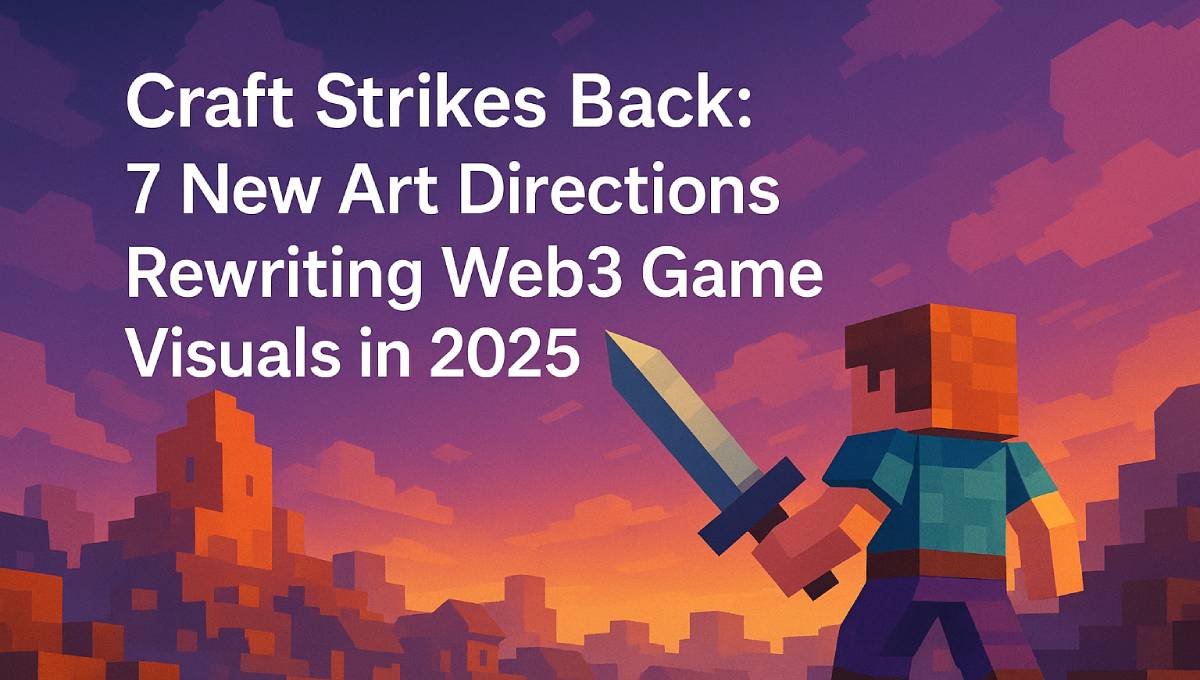
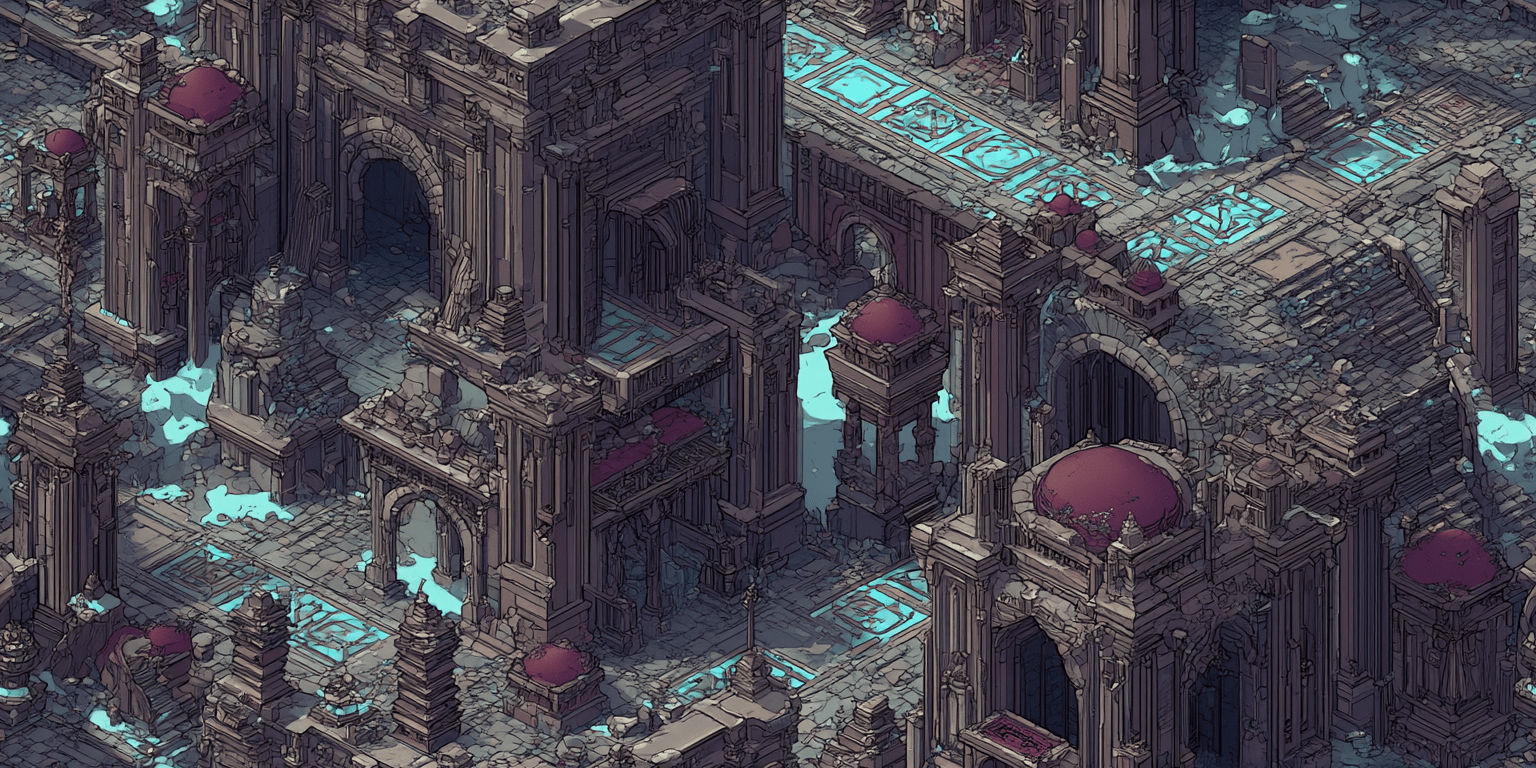
Pixel art isn't just a stylistic nod to gaming's 8-bit past-it's fast becoming the visual backbone of Web3 games that run on their own tokens and player-driven marketplaces. Open-source research shows that the lo-fi aesthetic dovetails perfectly with on-chain storage limits, lowers gas fees, and sparks community creativity, all while delivering the instant nostalgia that keeps players-and collectors-coming back for more.