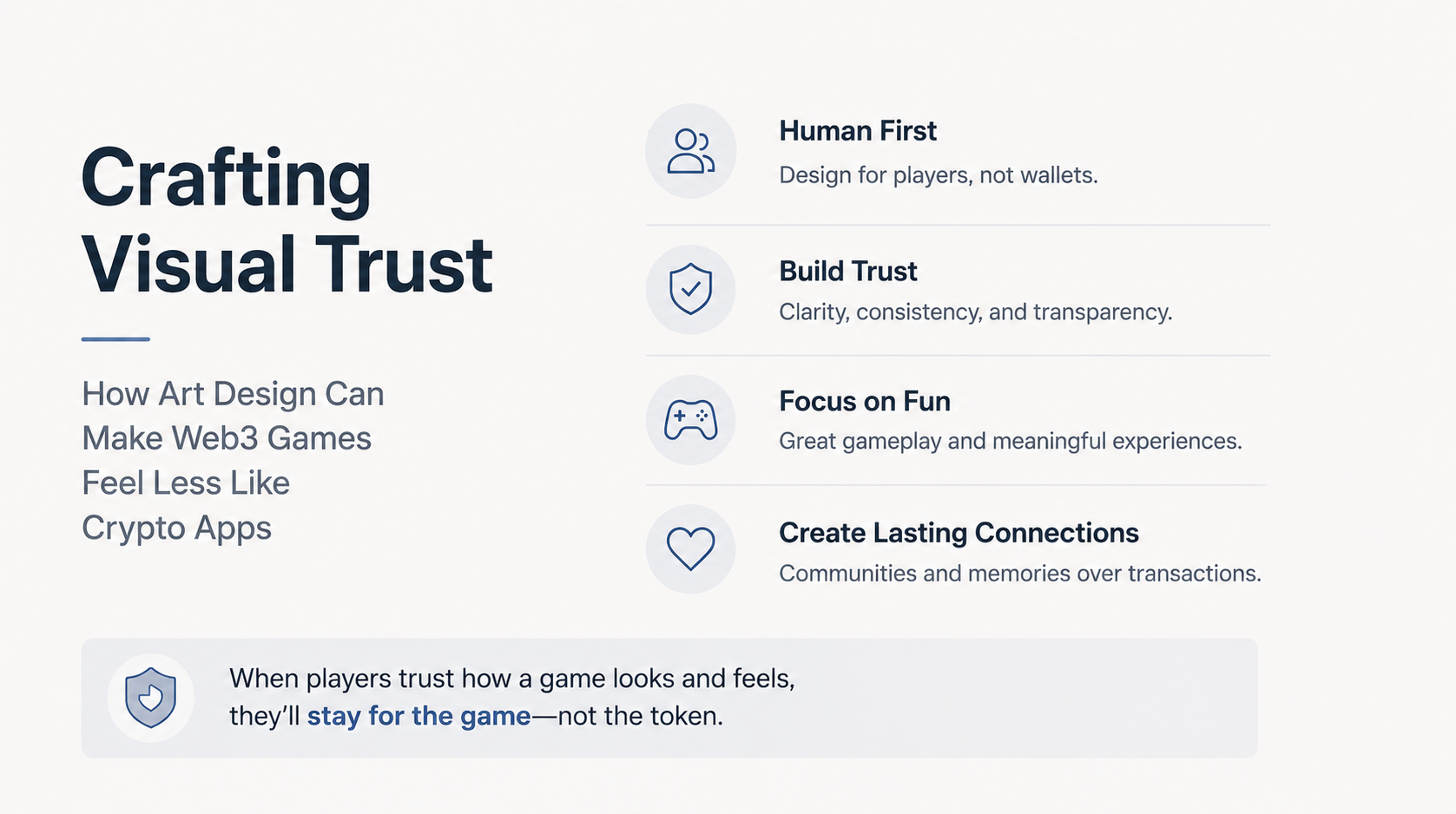
Discover how Web3 game art and UI design can build player trust by replacing crypto-heavy visuals with familiar game aesthetics, clear onboarding, readable rewards, and emotionally warm interfaces.
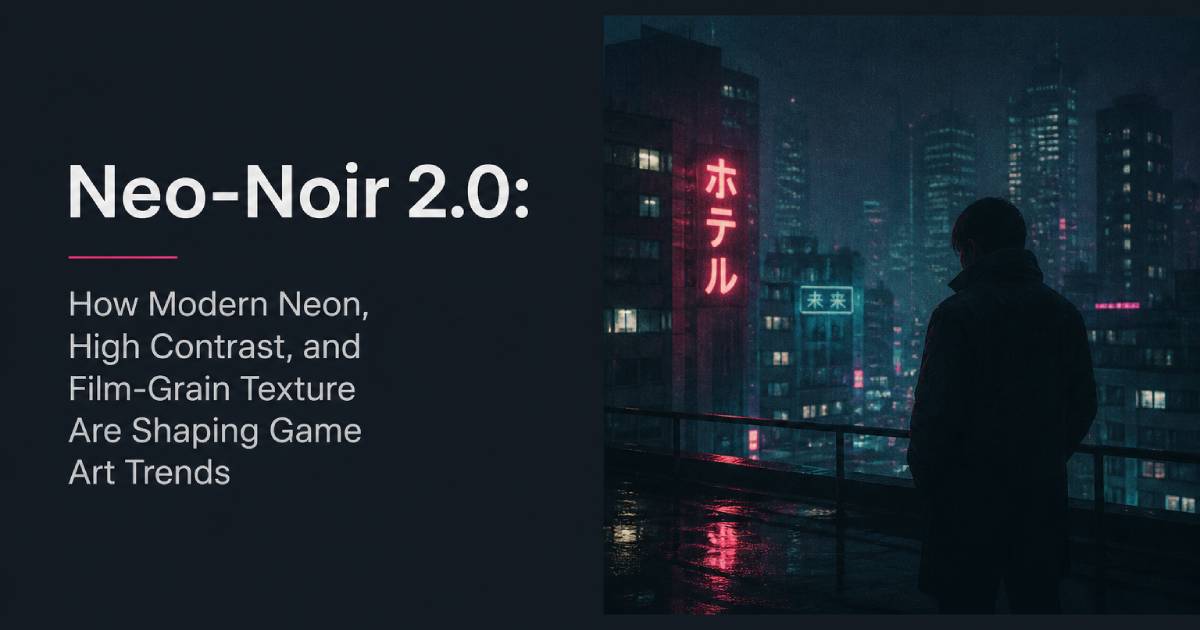
Neo-Noir is back-rebuilt for modern engines. Learn how today's neon noir game art uses high-contrast lighting, wet-surface reflections, cinematic color scripts, and carefully tuned film grain to create worlds that look incredible in motion and in screenshots. Includes practical art-direction rules and references.
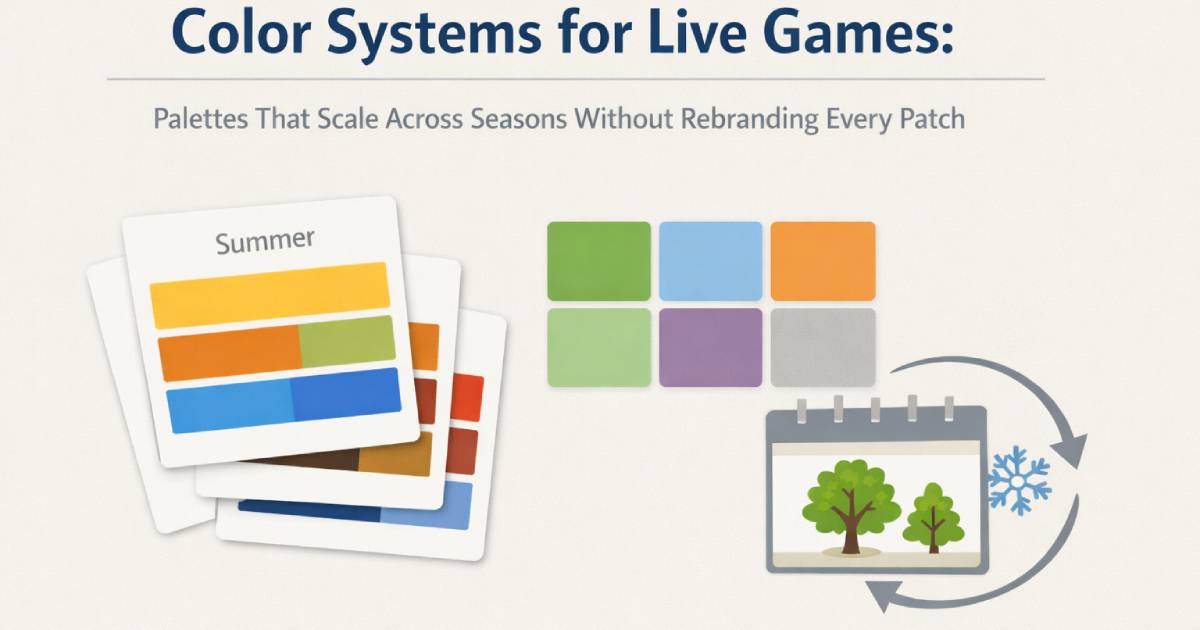
A live game needs color that can evolve-without breaking recognition. Learn a practical color system for live-service games: base palette, seasonal accents, event overlays, rarity ramps, UI contrast rules, and accessibility tooling. Includes a sprint-ready checklist and numbered references.
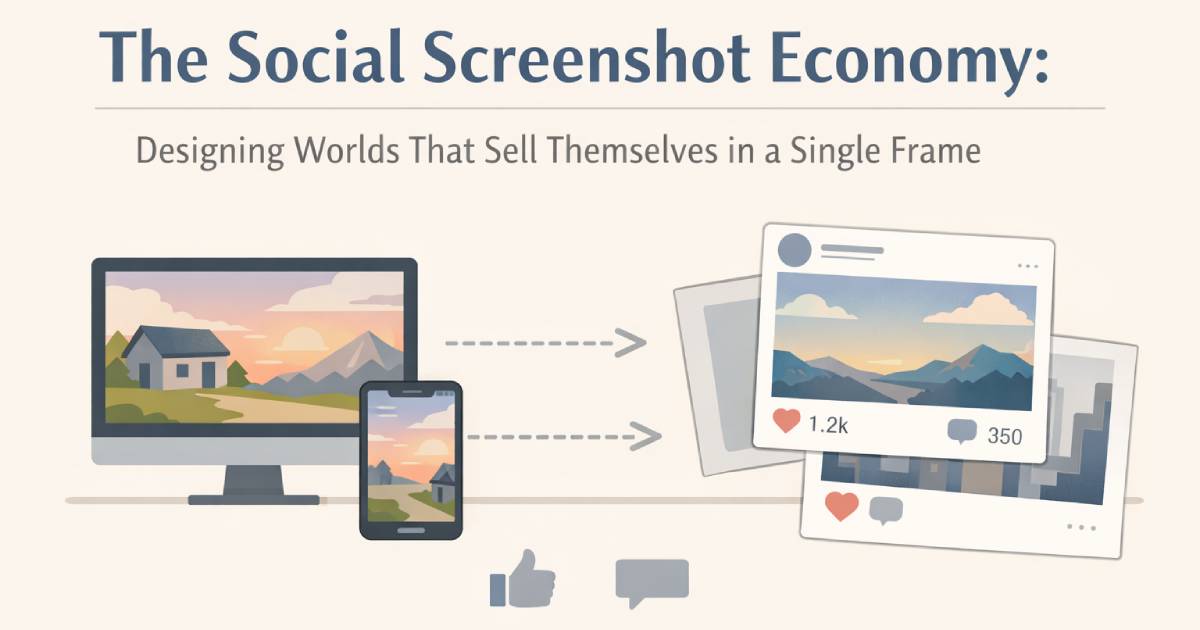
In 2026, discoverability is visual. Learn how to design screenshot-ready game worlds-from composition-first level art and “readable” color scripts to photo-mode tooling, emote staging, and social hubs that generate shareable moments. Includes Web3 examples and numbered references.
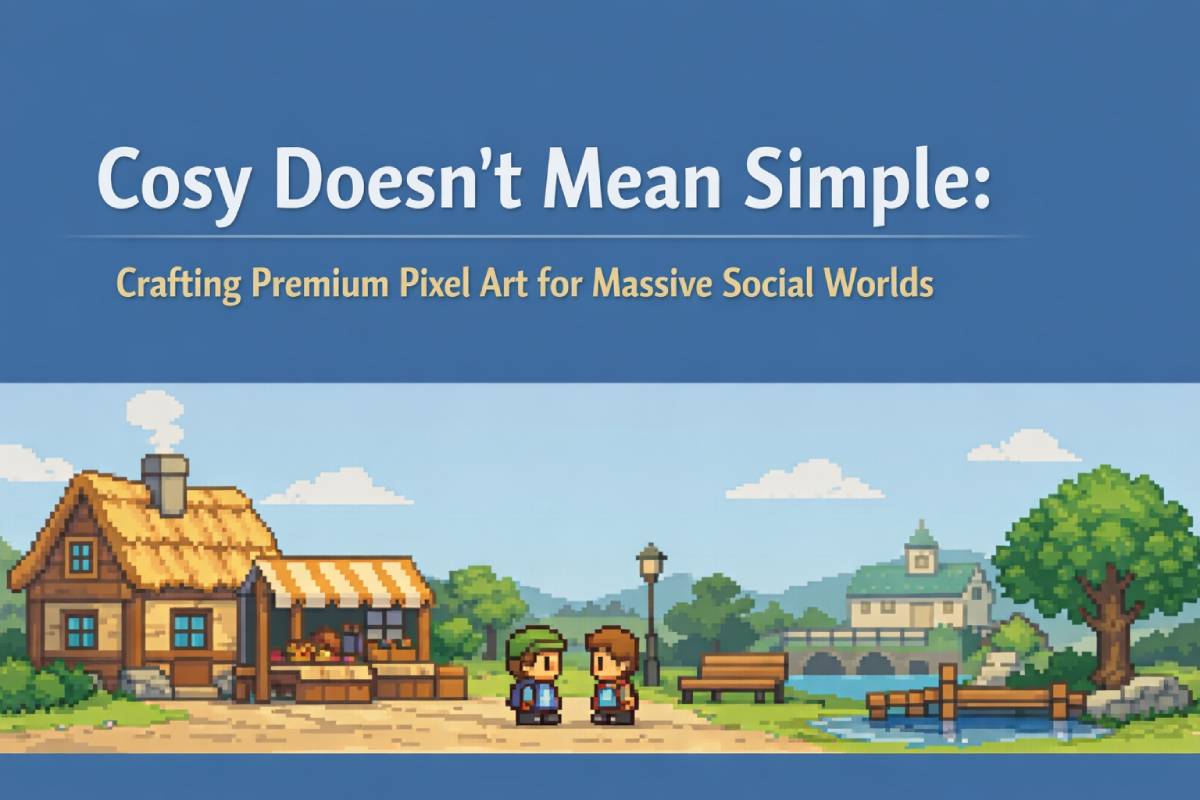
Premium pixel art powers today's biggest social worlds-but it takes rigorous craft: palette economy, silhouette clarity, sub-pixel animation, UI harmony, and accessibility. Learn the art-direction playbook (with references) used by breakout Web3 hits and timeless indies.
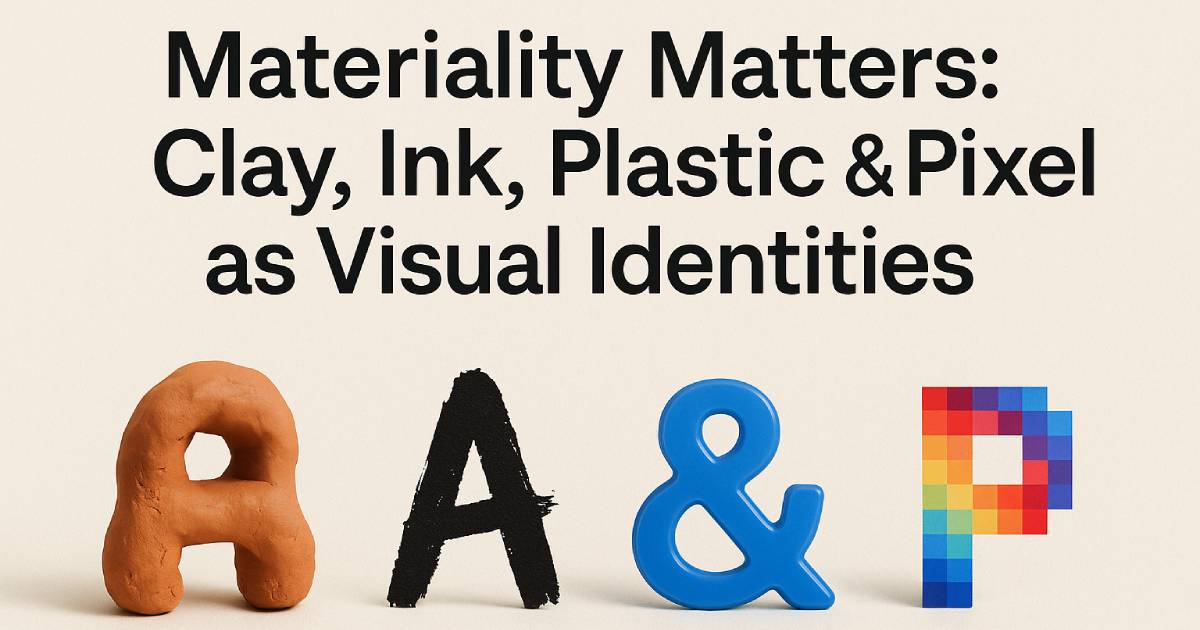
In 2025, the strongest Web3 game aesthetics aren't about higher fidelity-they're about material choices. See how clay, ink, plastic, and pixel become brand-defining identities across Clay Nation . The Sandbox, Pudgy World, Serum City, and Pixels-with concrete art-direction takeaways and references.