When blockchain gaming first emerged, many enthusiasts imagined a future where every aspect of a game-from player movement to combat and item ownership-would live entirely on the blockchain. It was an exciting vision that promised transparency, decentralization, and true digital ownership.
Reality, however, has proven more nuanced.
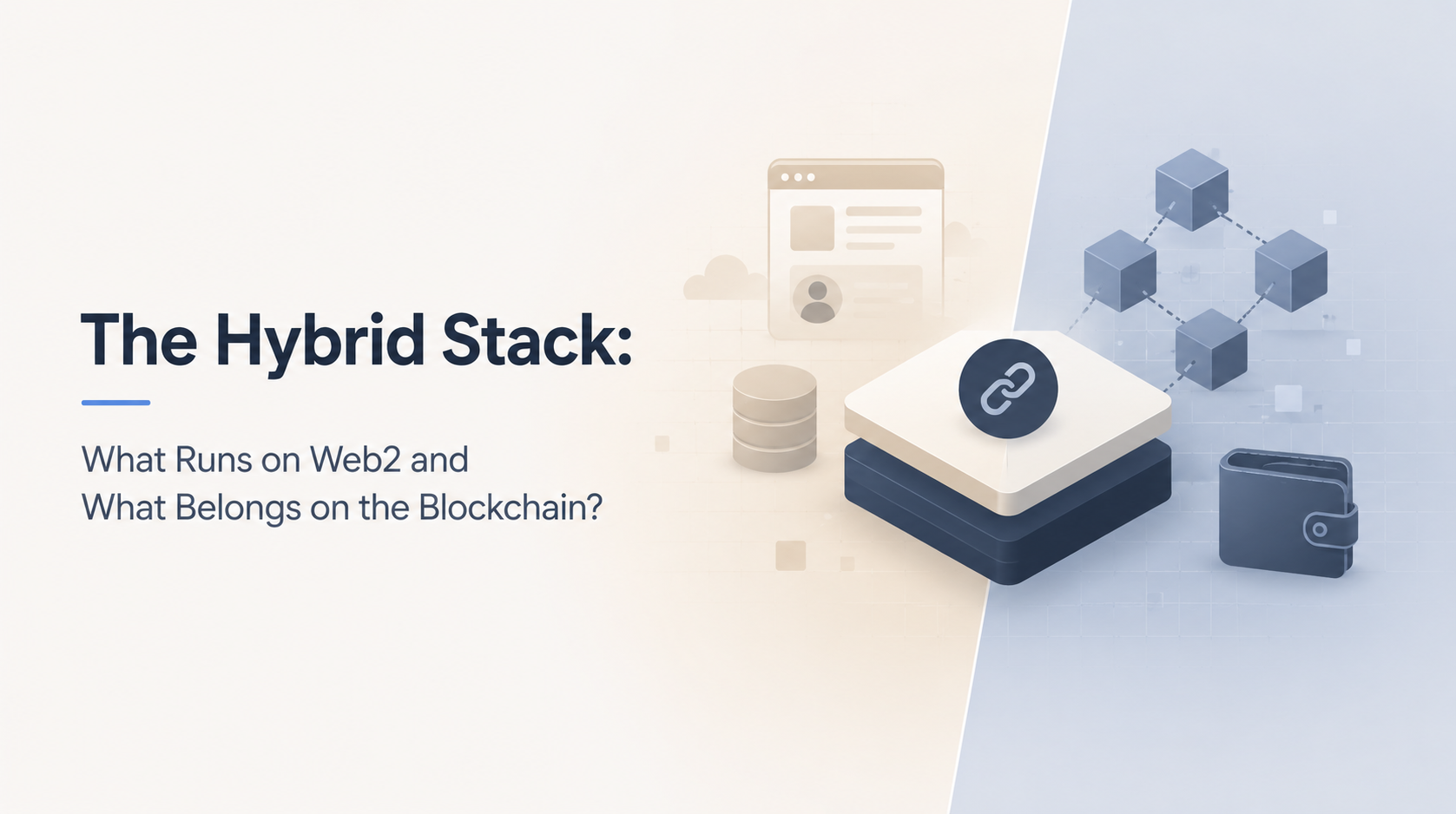
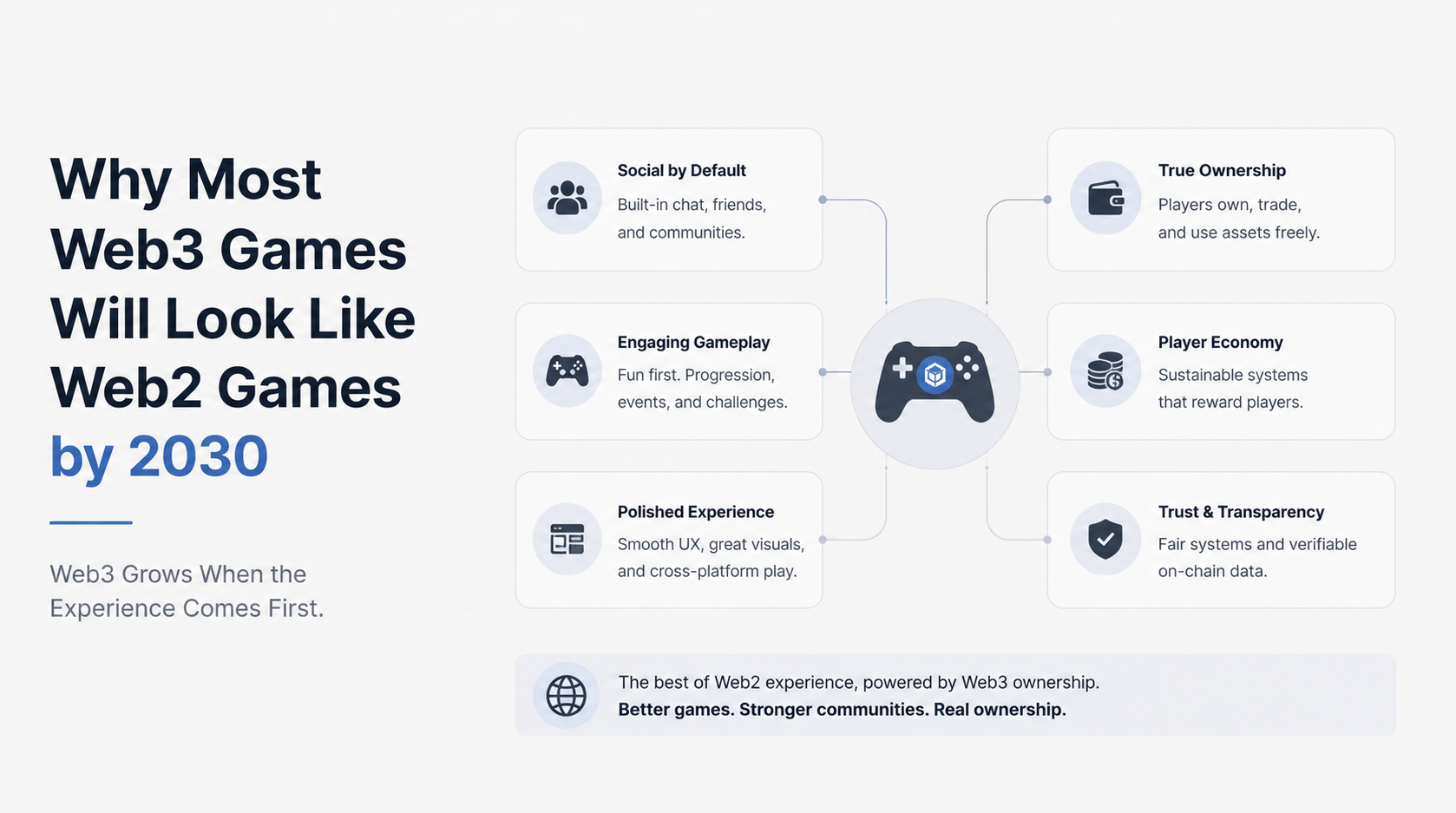
As blockchain gaming matures, the most successful Web3 games may become almost indistinguishable from traditional Web2 games. This article explores how technologies such as account abstraction, embedded wallets, gasless transactions, and hybrid blockchain architectures are removing friction from the player experience. It examines why future gamers will likely enjoy the benefits of digital ownership, decentralized economies, and blockchain-based assets without ever needing to understand wallets, gas fees, or NFTs. Ultimately, the future of Web3 gaming may not be about making blockchain more visible-it may be about making it disappear.
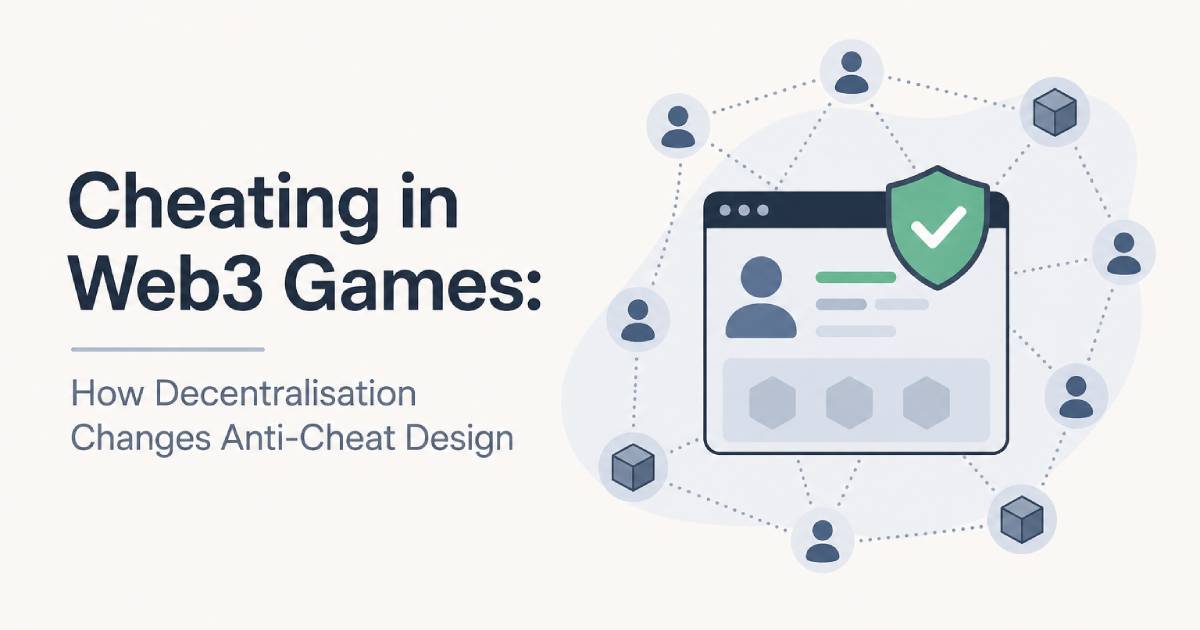
Cheating has always been a persistent challenge in online gaming. From aimbots in first-person shooters to gold farming in MMORPGs, developers have spent decades building anti-cheat systems to protect gameplay integrity.
But Web3 gaming introduces a completely new paradigm. With decentralisation, on-chain ownership, and transparent systems, the rules of anti-cheat design are fundamentally changing.
In Web3 games, cheating is no longer just about exploiting code-it can involve economic manipulation, smart contract abuse, and system-level vulnerabilities. This forces developers to rethink how fairness, trust, and security are enforced.
The Web3 gaming industry has moved rapidly from experimental prototypes to fully playable ecosystems. Yet, despite the hype around decentralized ownership, NFTs, and play-to-earn models, the technology behind Web3 games still faces significant limitations.
So what happens next?
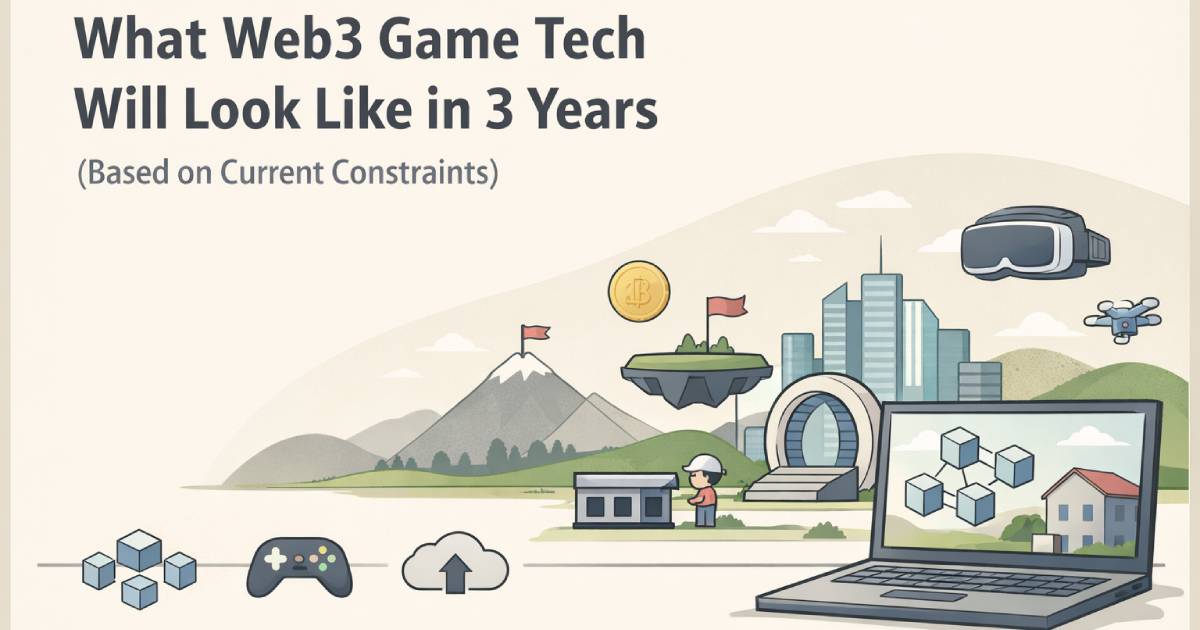
Looking ahead, the future of Web3 gaming won't be defined by speculation-but by technical evolution. By analyzing today's constraints in scalability, UX, infrastructure, and game design, we can project what Web3 game technology will realistically look like in the next three years.
Massively Multiplayer Online Role-Playing Games (MMORPGs) are among the most technically demanding genres in gaming. Persistent worlds, thousands of concurrent players, real-time combat, dynamic economies, and large-scale social coordination already push traditional infrastructure to its limits.
Now add blockchain.
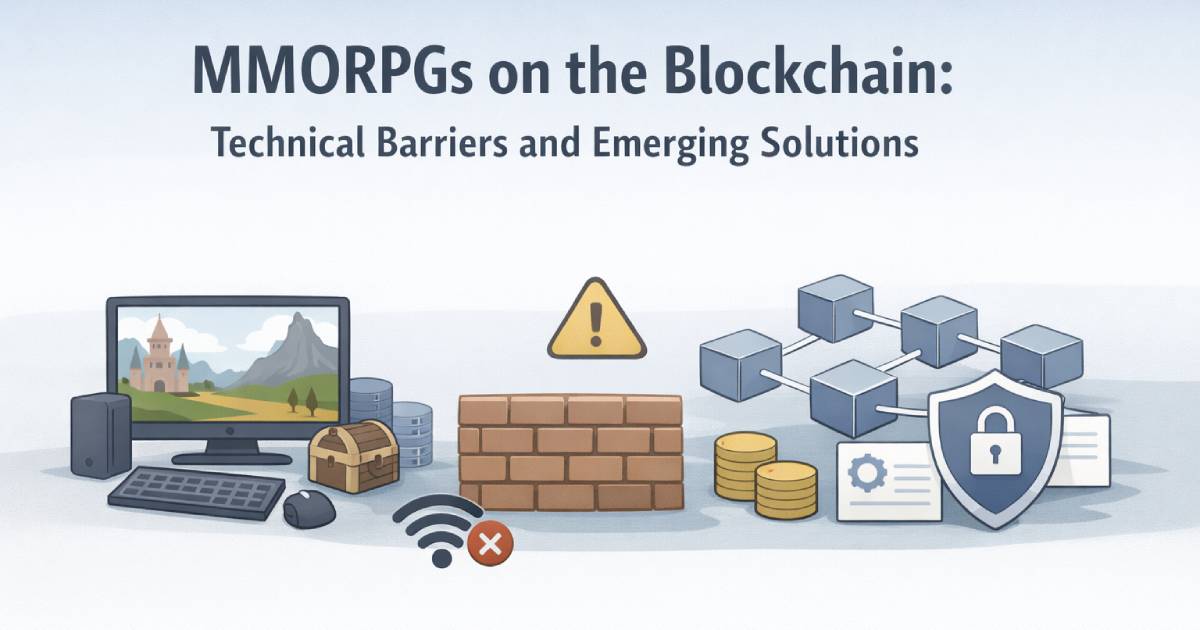
Building MMORPGs on the blockchain introduces a new layer of complexity: decentralization, on-chain ownership, tokenized economies, smart contracts, and cross-chain interoperability. While Web3 promises player ownership and transparent economies, it also creates significant technical barriers.
This article explores the core technical challenges of blockchain MMORPG development and the emerging solutions shaping the next generation of Web3 MMO infrastructure.
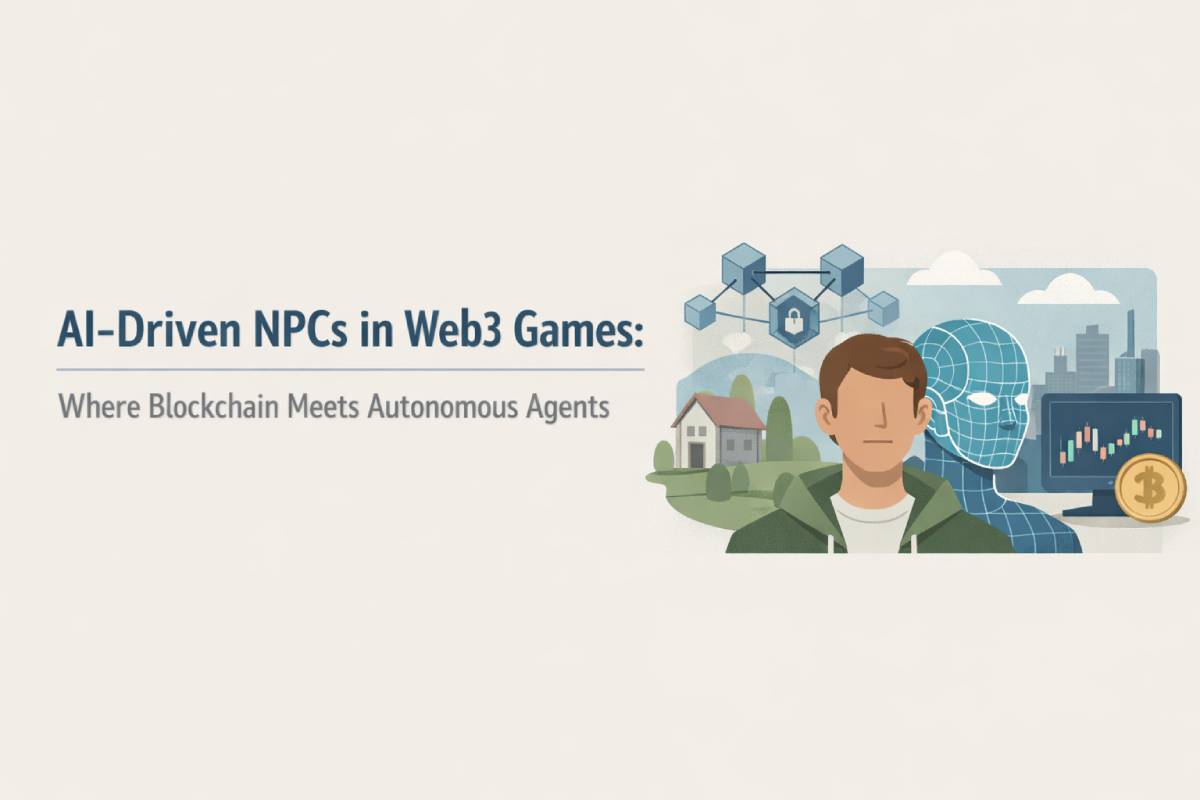
Non-player characters (NPCs) have always been central to game worlds. Traditionally, they followed scripted behaviors, predictable dialogue trees, and limited interaction logic. Today, Web3 games are redefining NPCs by combining artificial intelligence with blockchain infrastructure, giving rise to autonomous agents that can learn, act independently, own assets, and participate in on-chain economies.
This convergence of AI-driven NPCs and Web3 technology represents one of the most important technical evolutions in gaming-pushing NPCs from static content into living systems.