With Chrome keeping third-party cookies (for now), Apple shifting to AdAttributionKit, and wallet-native analytics maturing, Web3 UA finally has a measurable funnel-from click → install → on-chain event. The opportunity is real, but so are the risks: AI bot traffic, spoofed ads, and sybil farms can torch budgets unless you harden attribution and fraud defenses end-to-end. [1][2][3][4][5]
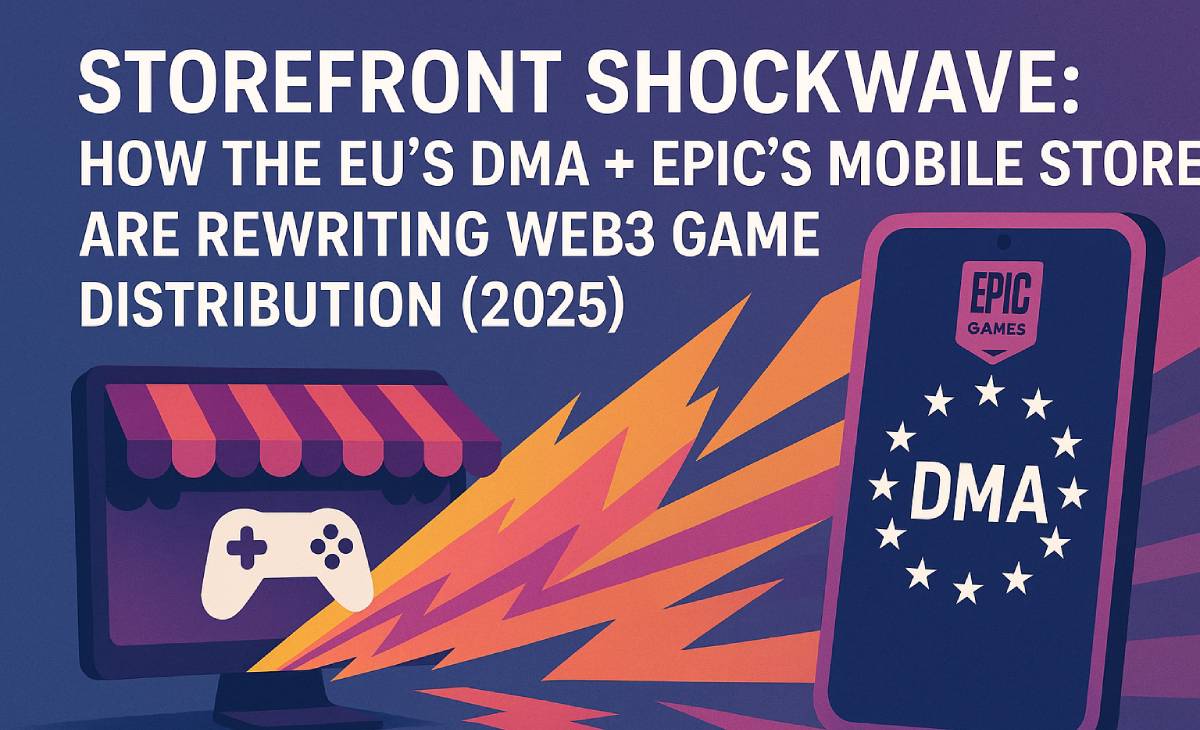
The biggest unlock for web3 games in 2025 isn't a new chain-it's distribution. The EU's Digital Markets Act (DMA) has forced iOS to open to third-party stores, and Epic has seized the moment with a cross-platform storefront (PC + Android worldwide, iOS in the EU) and even fee relief. Combined with faster L2 infra and better live-ops design, this is reshaping go-to-market, retention, and monetization for web3 studios. [1][2][3][4][5]
From account-abstracted wallets to dynamic NFTs and greener chains, here's how today's tokenized games are pushing real technological progress-and why it matters for players, creators, and studios alike.
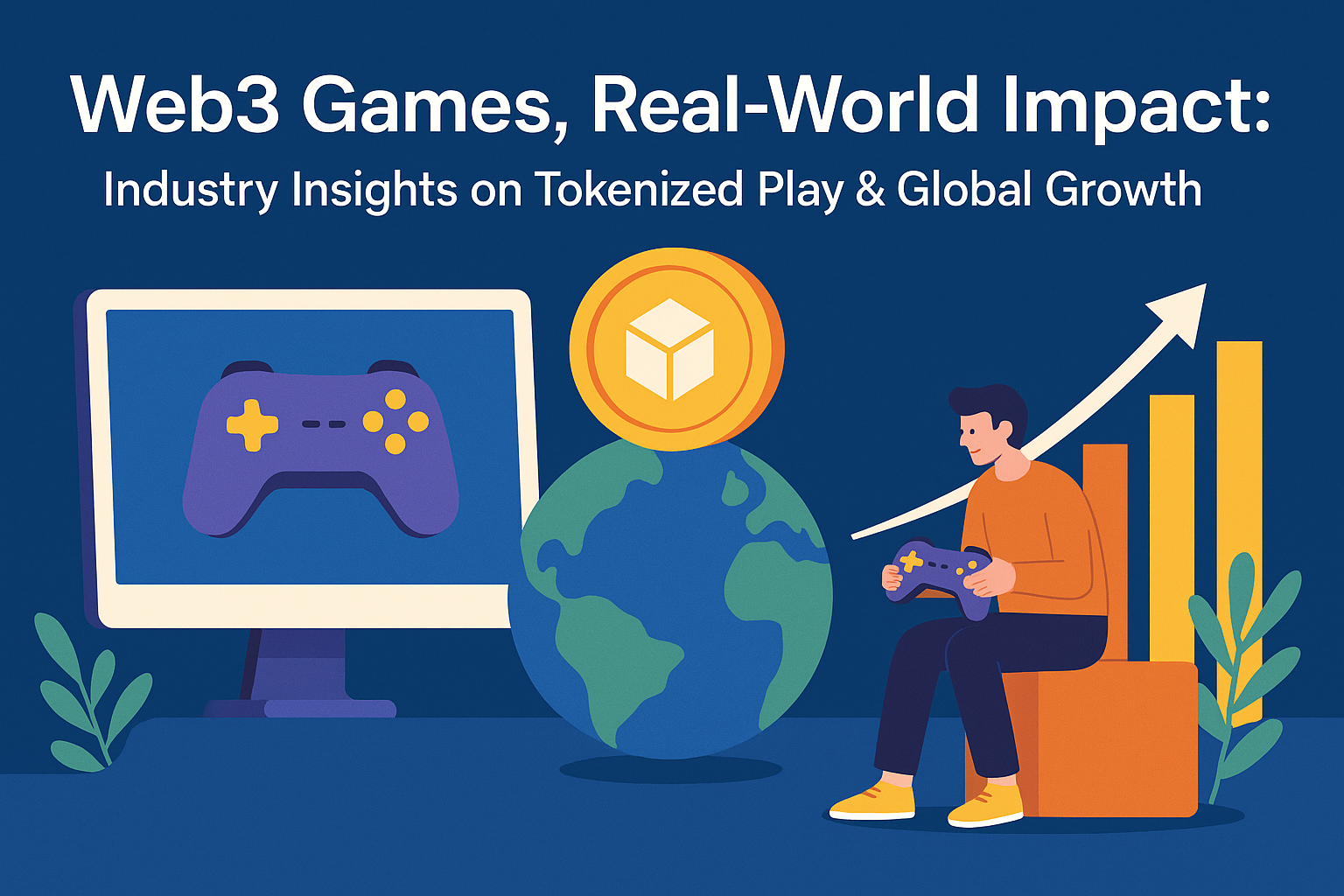
Web3 gaming is no longer a buzzword-it's a growth engine touching finance, jobs, and next-gen tech. Below is your 360° look at how token-based game economies with built-in marketplaces are creating measurable upside for players, developers, and the wider global economy.
When players become stakeholders and every epic drop can be traded in a border-less bazaar, gaming stops being a pastime and starts acting like a miniature economy. Web3 titles that mint their own tokens and host on-chain marketplaces are no longer speculative experiments-they're fast-growing contributors to real-world GDP, job creation and technological progress. Below, we unpack the most encouraging trends shaping this new frontier.