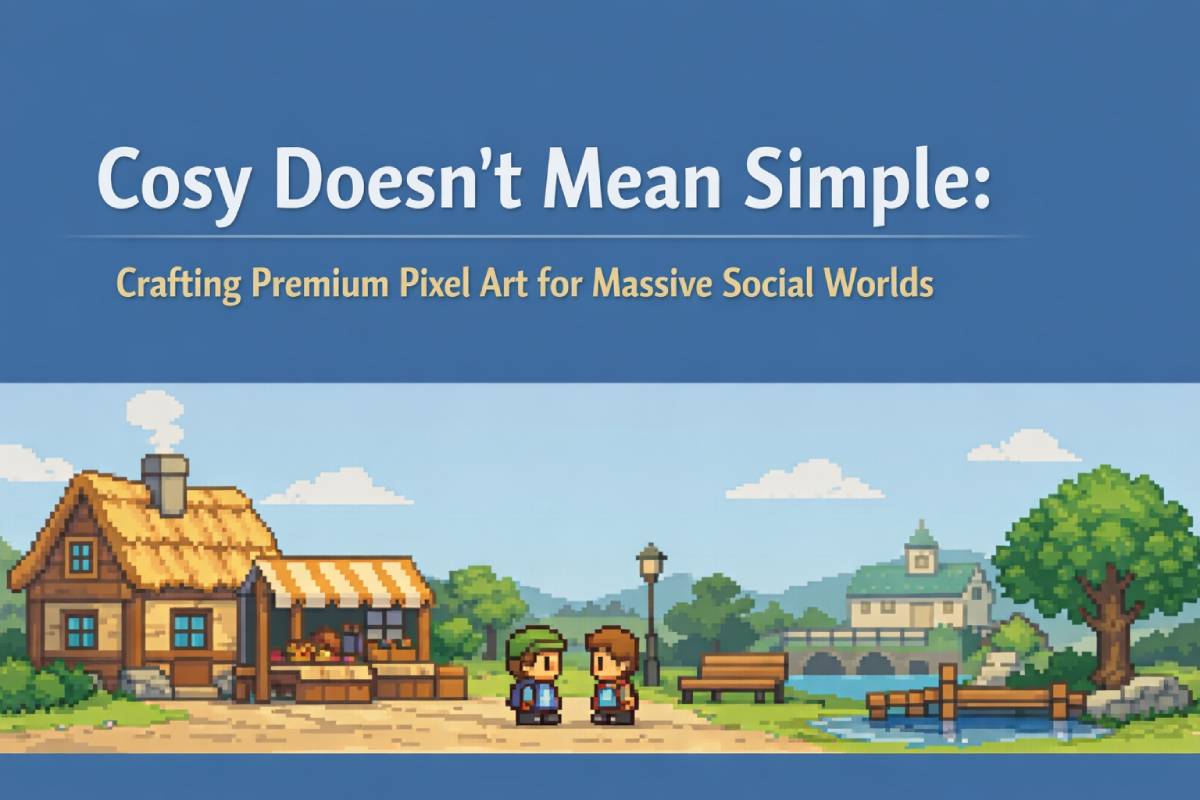
Premium pixel art powers today's biggest social worlds-but it takes rigorous craft: palette economy, silhouette clarity, sub-pixel animation, UI harmony, and accessibility. Learn the art-direction playbook (with references) used by breakout Web3 hits and timeless indies.
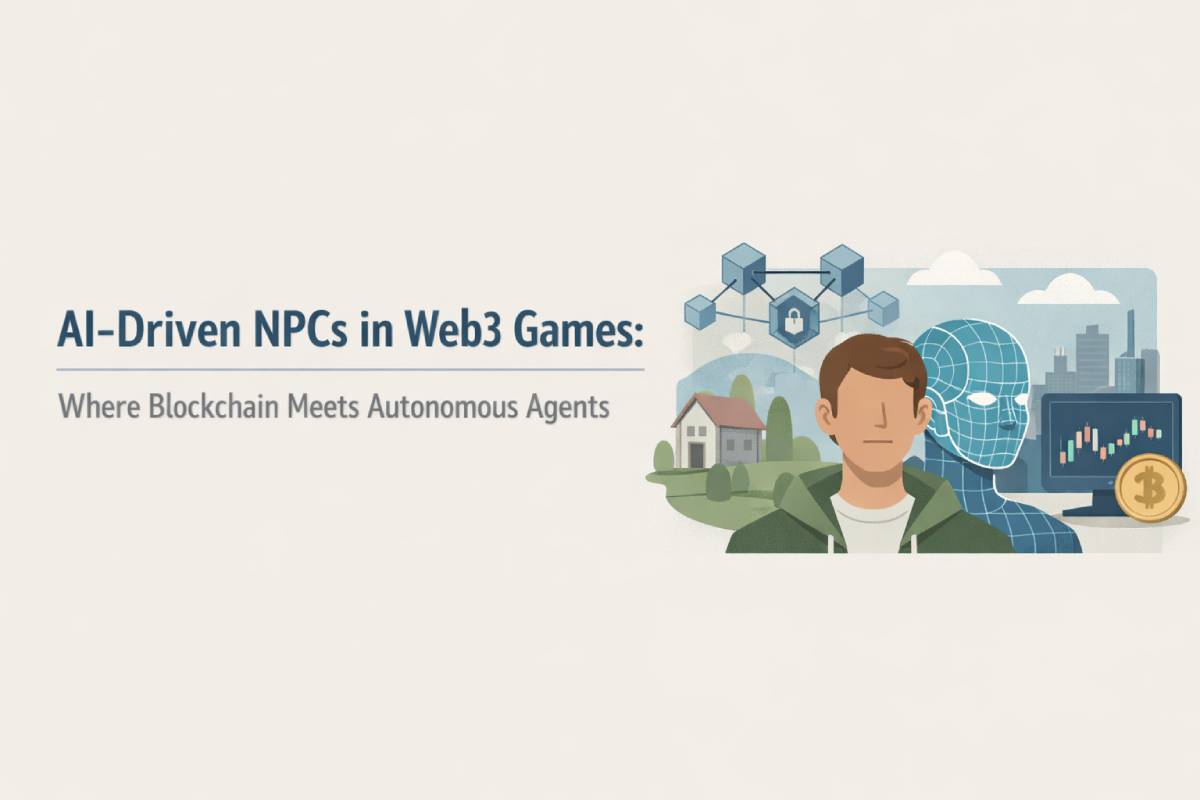
Non-player characters (NPCs) have always been central to game worlds. Traditionally, they followed scripted behaviors, predictable dialogue trees, and limited interaction logic. Today, Web3 games are redefining NPCs by combining artificial intelligence with blockchain infrastructure, giving rise to autonomous agents that can learn, act independently, own assets, and participate in on-chain economies.
This convergence of AI-driven NPCs and Web3 technology represents one of the most important technical evolutions in gaming-pushing NPCs from static content into living systems.
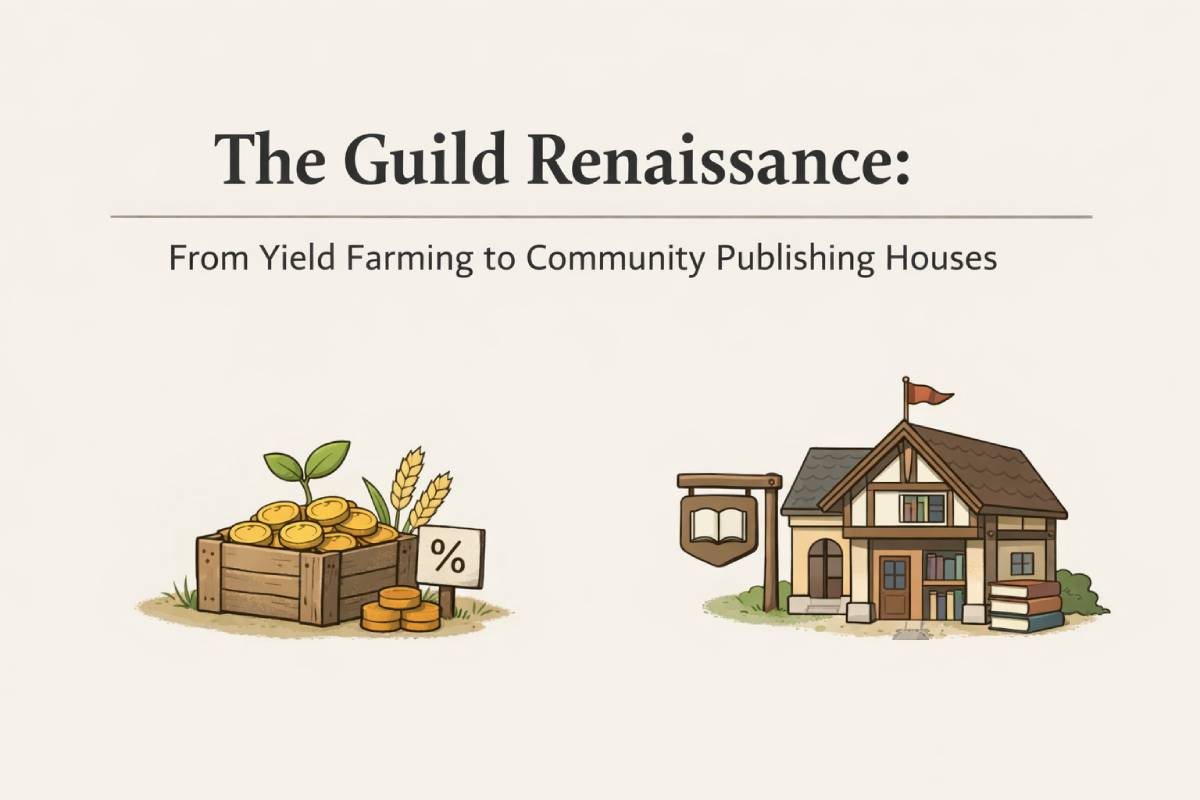
Web3 gaming guilds aren’t just “scholar programs” anymore. In 2025, leading guilds are morphing into publishers, QA labs, localization partners, and distribution networks—with real P&L and shipping schedules. This post maps that shift and gives a playbook to work with modern guilds as co-creators, not just token-incentive routers.
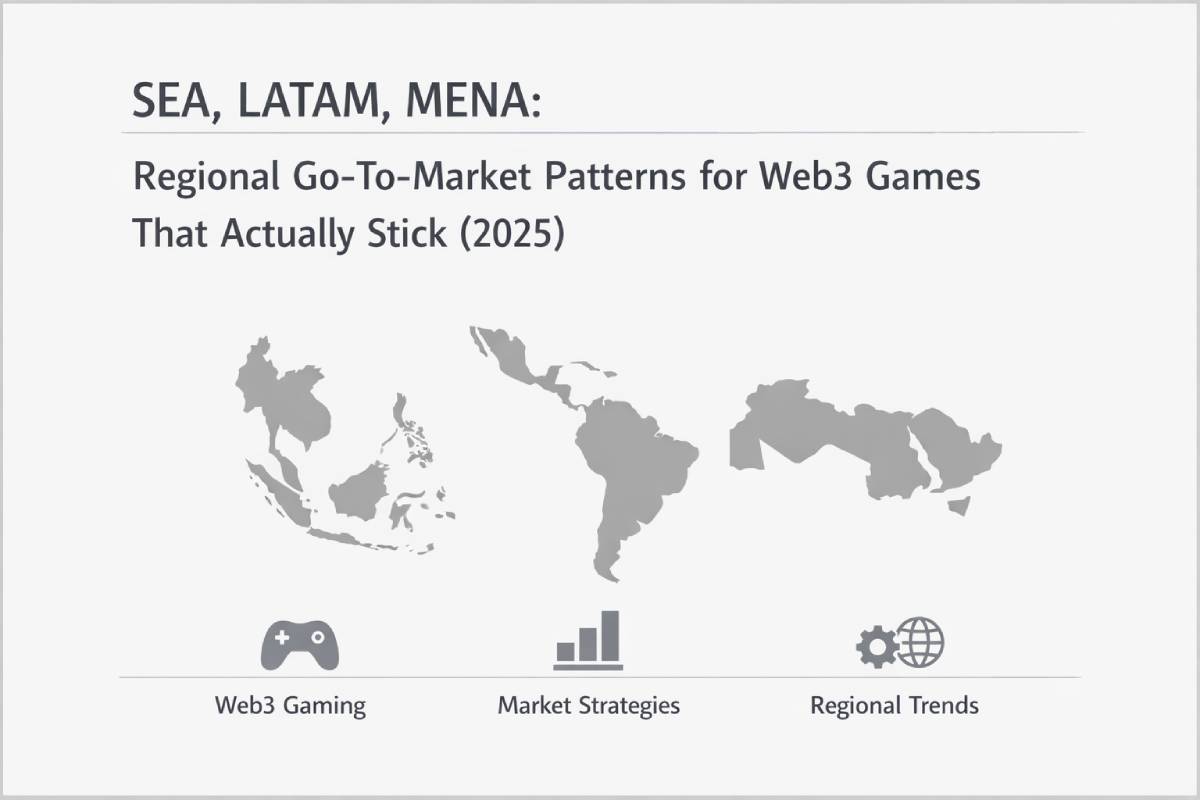
In 2025, the fastest, cheapest paths to scale for web3 games aren't global-they're regional. If you tailor funnel, payments, and community ops to the realities of Southeast Asia (SEA), Latin America (LATAM), and Middle East & North Africa (MENA), you can turn volatile hype into durable DAU and net on-chain revenue. Think: Android-first installs in SEA, PIX and cash-to-digital bridges in LATAM, and wallet-led funnels with telco and esports tailwinds in MENA. [1][2][3][4][5][6]
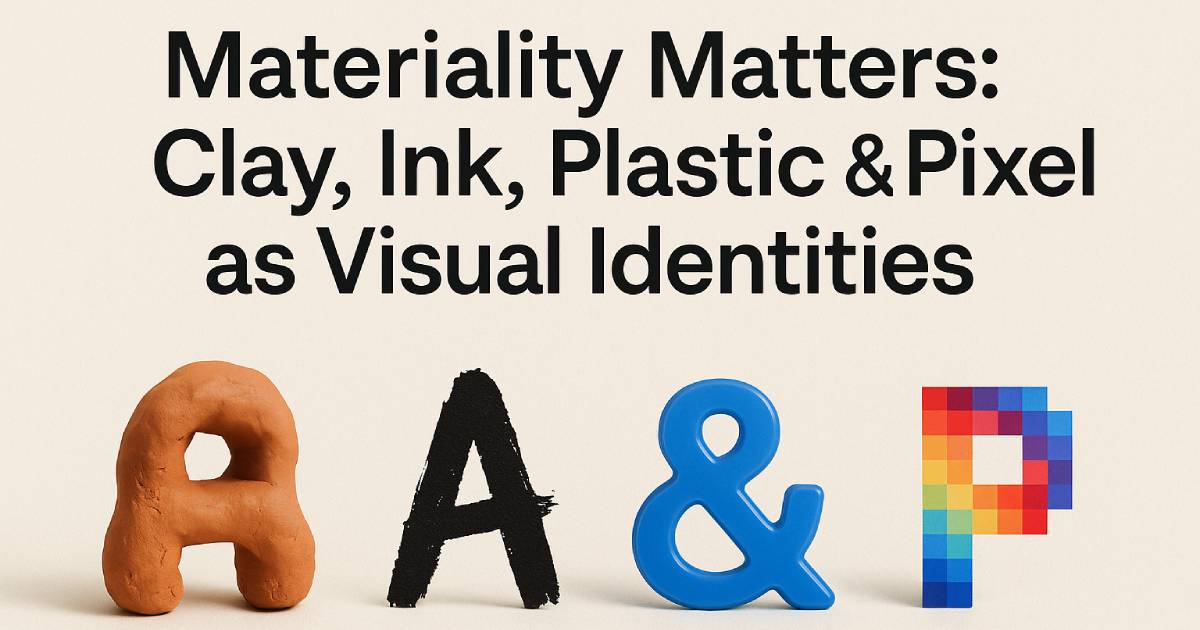
In 2025, the strongest Web3 game aesthetics aren't about higher fidelity-they're about material choices. See how clay, ink, plastic, and pixel become brand-defining identities across Clay Nation . The Sandbox, Pudgy World, Serum City, and Pixels-with concrete art-direction takeaways and references.